This post may contain affiliate links. Please read ourdisclosure policy.
After endless rounds of testing, failing, and fine-tuning, I finally crackedtwo totally bulletproofways to land theperfect poached eggs. Literallyeverysingle time.
I can still picture my very first poached-egg disaster. The whites shot out in every direction, the yolk wrecked, and I stared into the pot thinking…how on earth is this supposed to be easy?
This guide coversexactly how to poach an egg on the stove, precisely how long to cook it depending on how you like your yolk, and yes—evenhow to make poached eggs in the air fryerif you crave a super hands-off option.
Once timing and a few tiny details finally click, perfect poached eggs stop feeling scary and just become part of your daily routine. These are the same soft, runny beauties used in dishes liketraditional Turkish eggs with yoghurt and chilli butter, where the poaching craft really steals the spotlight.
Both of these techniques deliver because they wipe out the most frequent pitfalls everyone sweats over when attacking poached eggs.
First up,temperature control.Poached eggs fall apart the instant the water rages too hard. Working with gently simmering water on the stove or steady heat in the air fryer stops those egg whites from shredding apart.
Second,timing.Rather than crossing your fingers, both routes rely on crystal-clear cook times. Once you memorize how long to cook the egg, the outcome becomes repeatable time after time.
Third,less movement.Handling the egg too much or over-stirring is usually the villain behind feathery, wispy whites. These techniques keep the egg mostly untouched so it can set beautifully.
And finally,simplicity.Zero fancy gadgets. Zero special gear. Just a no-nonsense plan laser-focused on what actually counts.
If poached eggs have given you grief before, it’s usually not the egg’s fault. It’s the method. Once you adopt one of these, the whole process turns predictable and totally stress-free.
There’s more than a single way to poach an egg, and both of these paths genuinely work. The real difference boils down to how hands-on you want to get.
This is theclassic routeand the one most folks picture first.
I reach for this whenever I’m already busy on the stove or cooking breakfast for more than one hungry person. It hands you far more control over both the water and the egg—especially once you’ve practiced a few rounds.
If you love getting stuck into the process, this is usually the winning way to poach an egg.
This method completely blew my mind the first time I gave it a shot.
If you’d rather not hover over a simmering pot,air fryer poached eggsare an awesome stand-in. You set it, wander away, and let the air fryer handle everything.
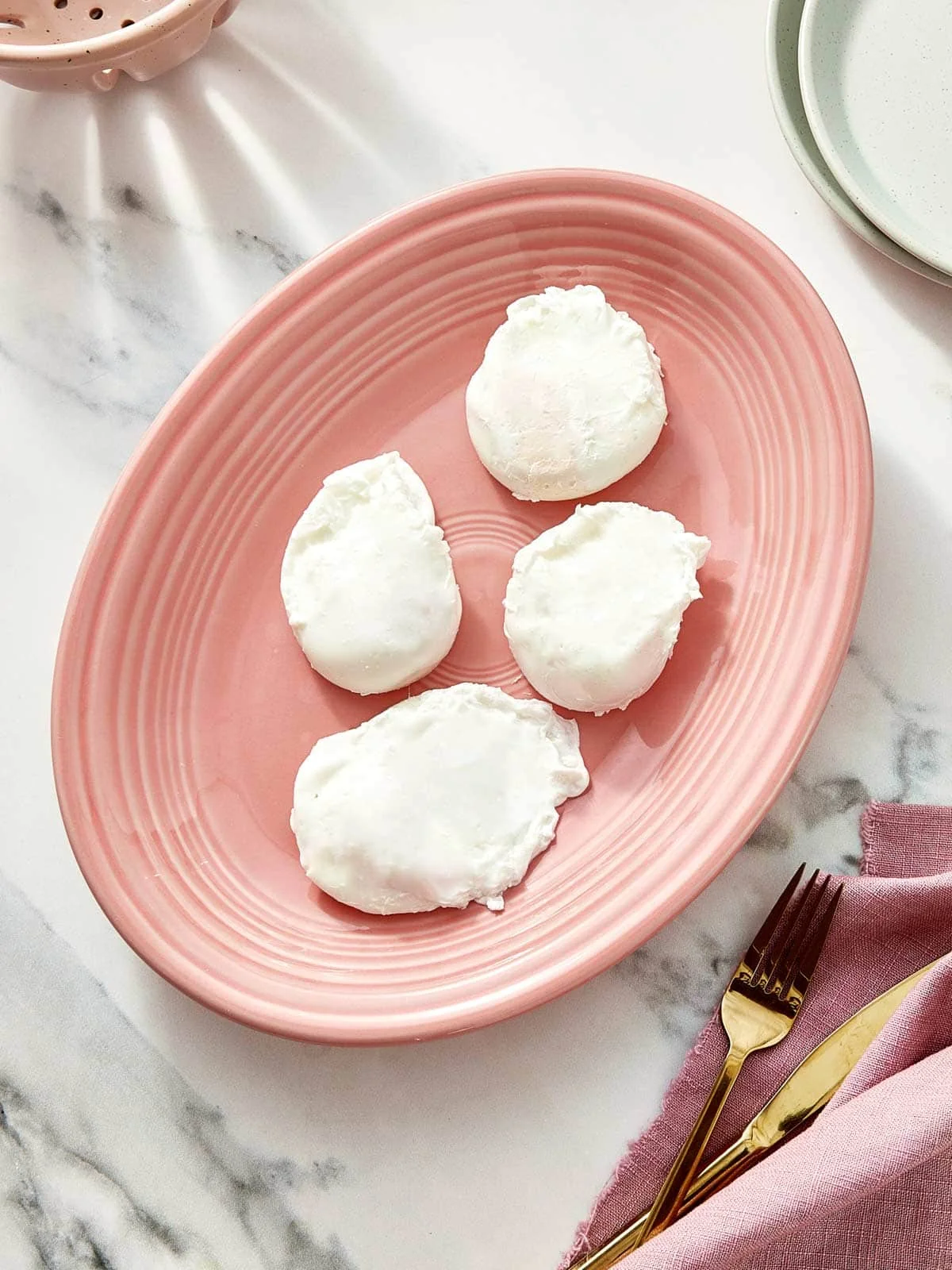
This one is made for chaotic mornings or for whenever you want a fully hands-free approach. In under 10 minutes they’re ready to hit toast straight from the airfryer, or—if you want to go wild—I drizzle a bit ofteriyaki sauce for the most legendary poached eggs ever.
There’s honestly no wrong pick.
Crave control and tradition? Go stove top.Crave effortlessness and steady results? The air fryer route is nearly impossible to beat.
Either one hands you perfect poached eggs once you know the timing.
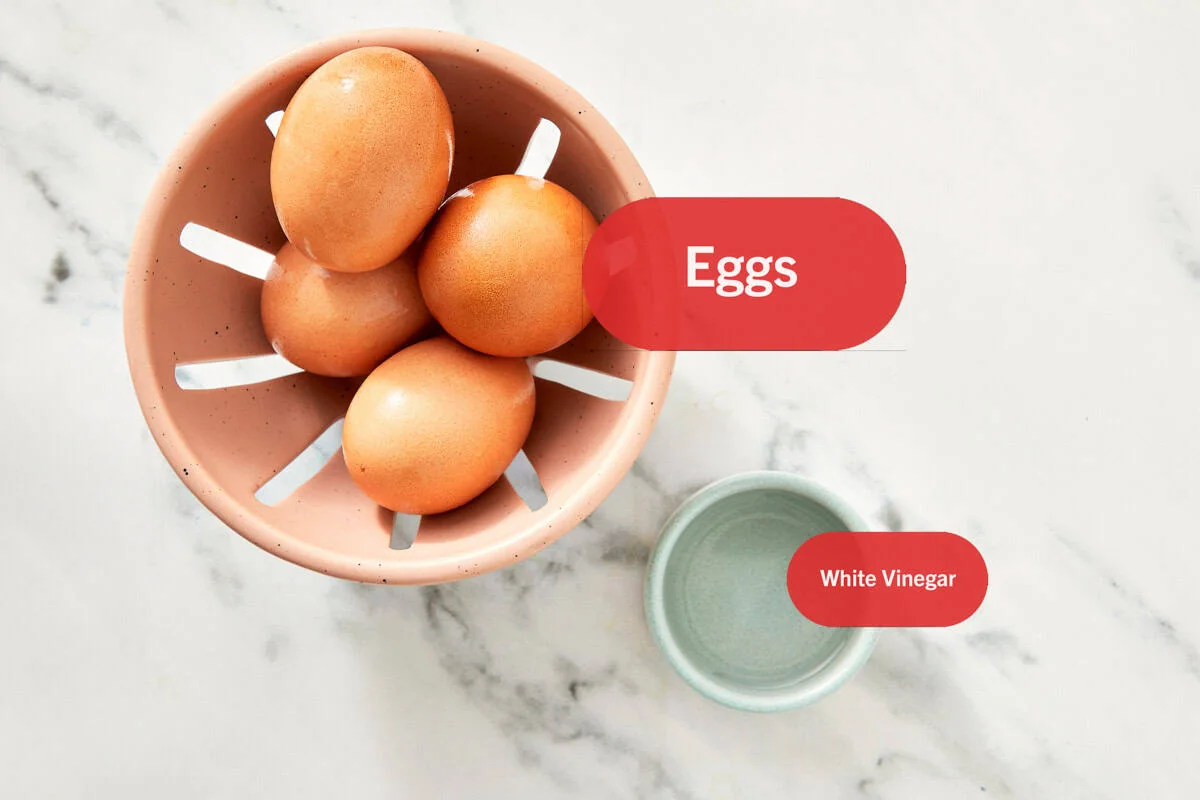
This recipe stays stubbornly simple on purpose. When you poach eggs, technique always beats a giant ingredient list.
Note: See theRecipe Notefor full list of ingredients and measurements.
Poaching an egg sounds effortless, but those first attempts can be genuinely maddening.
Trust me, I’ve lived it. Whites exploding everywhere, yolks cooked to death, and a pot that looks more like murky soup than breakfast.
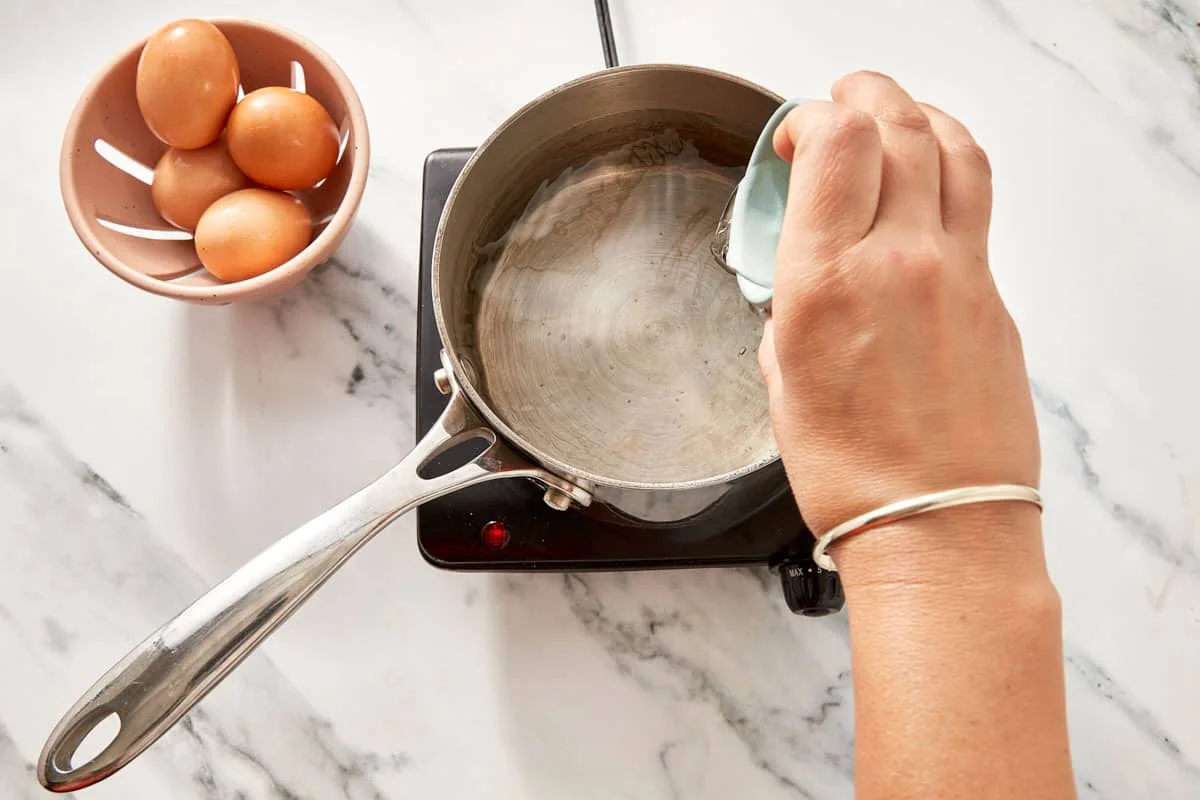
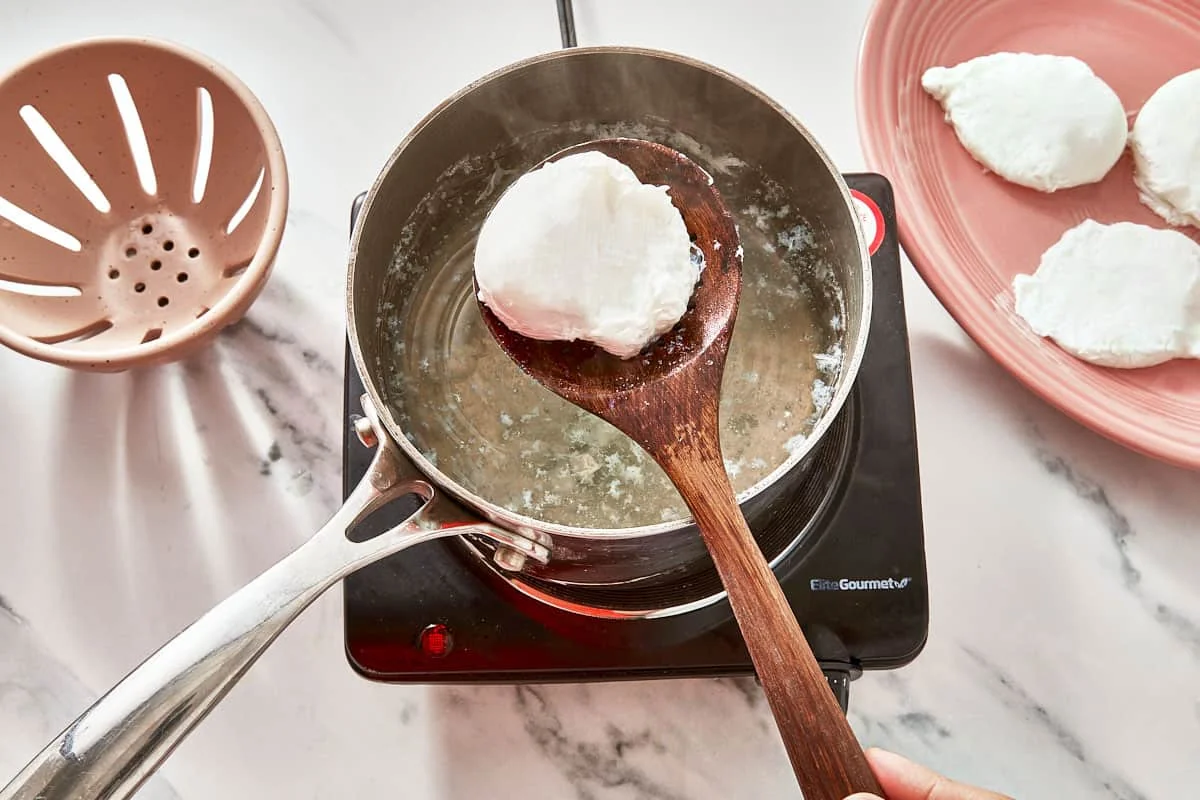
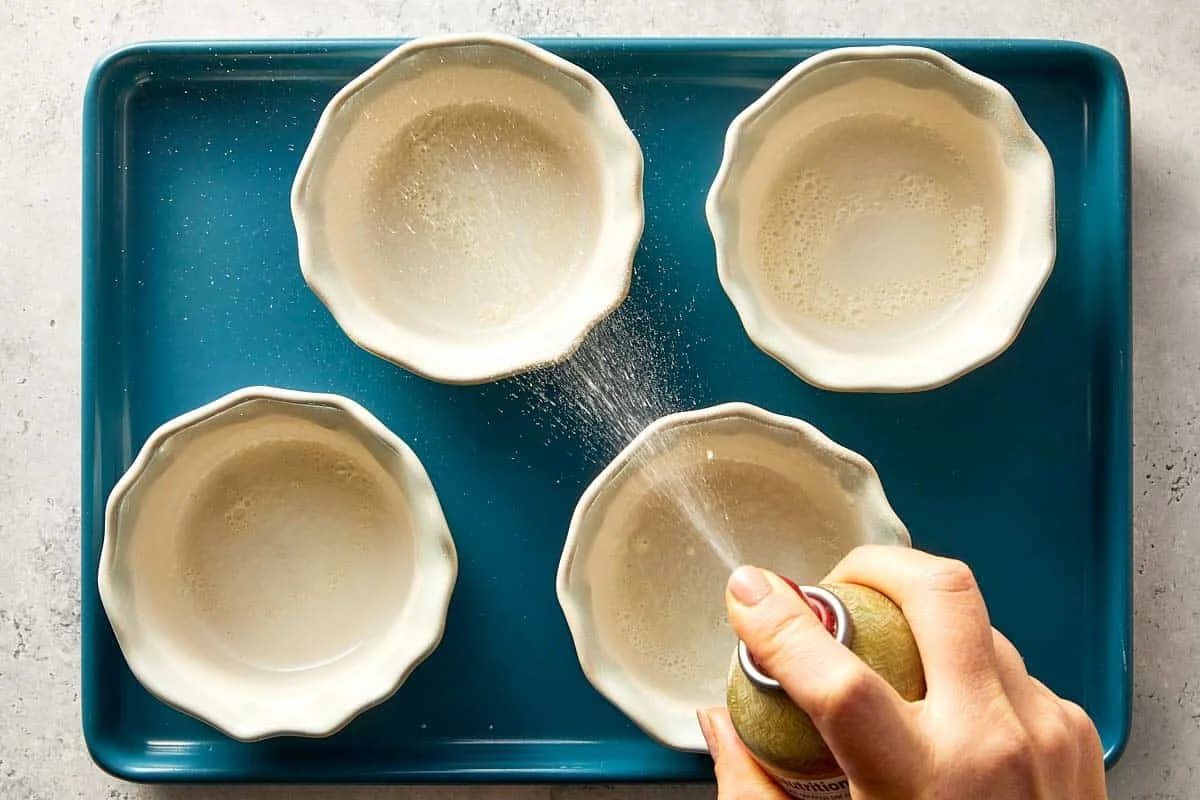
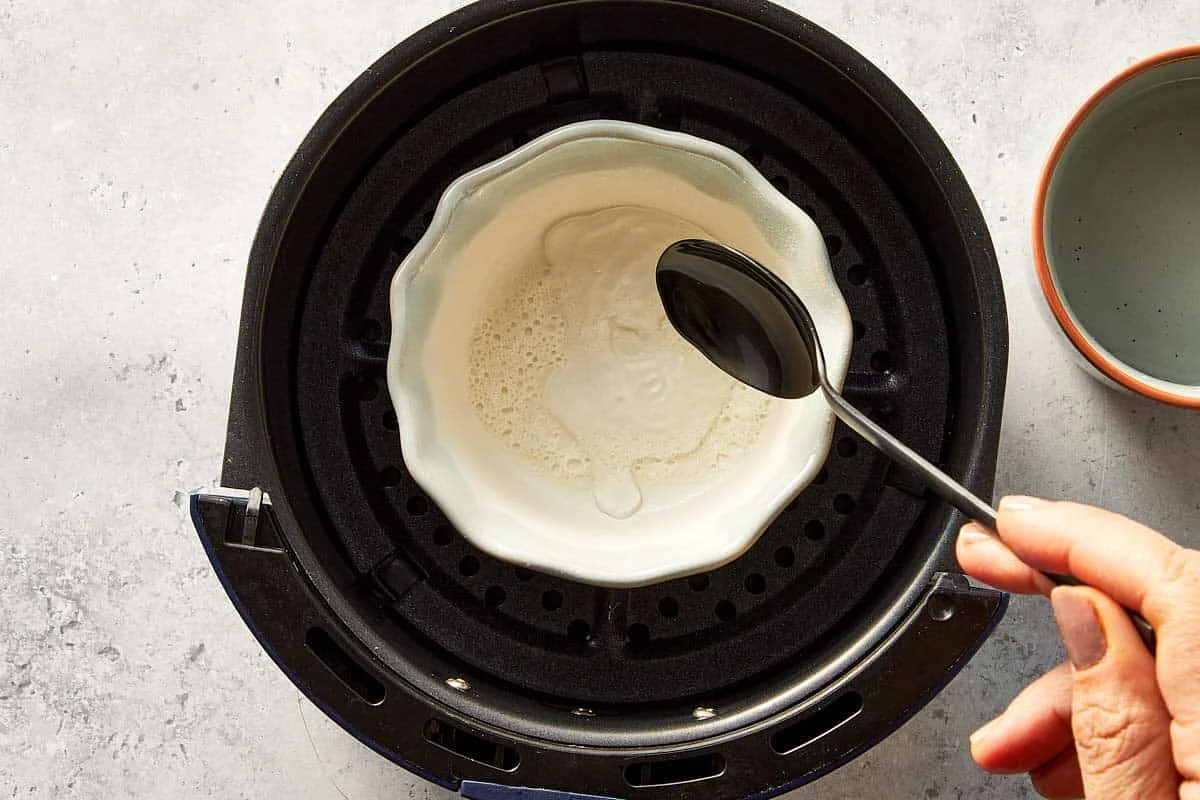
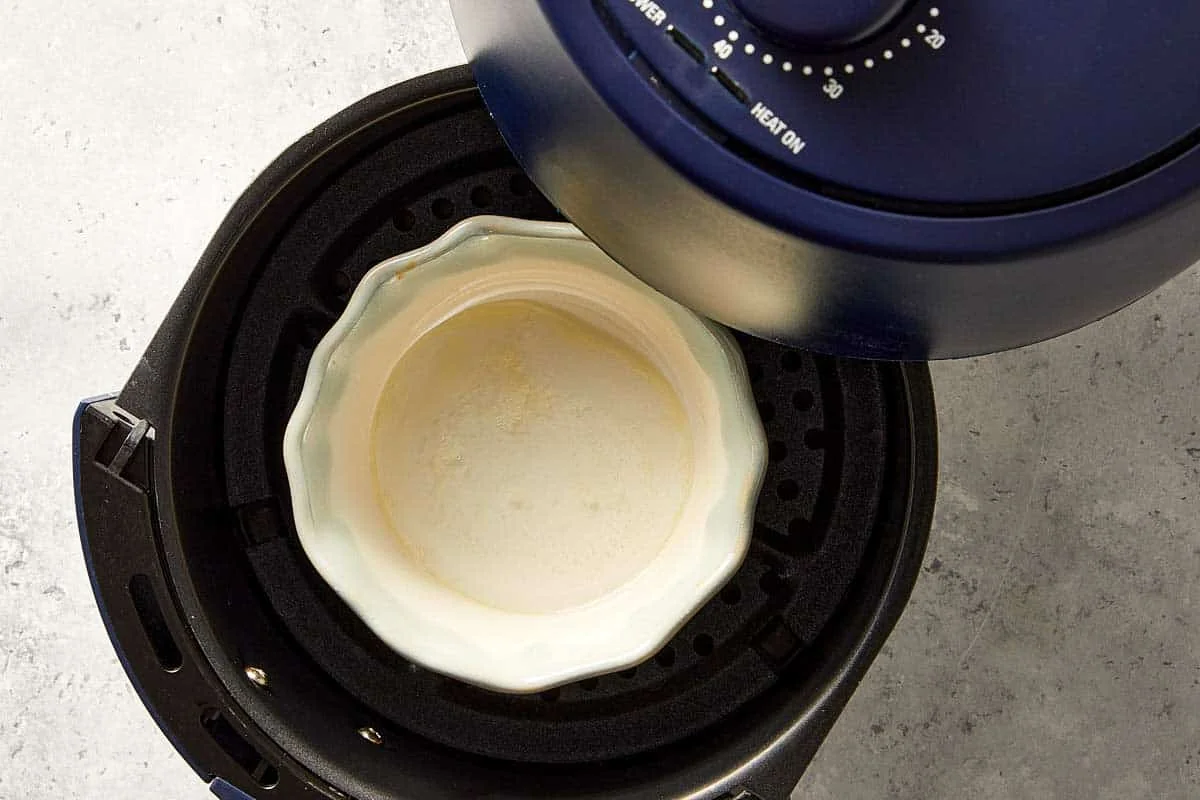
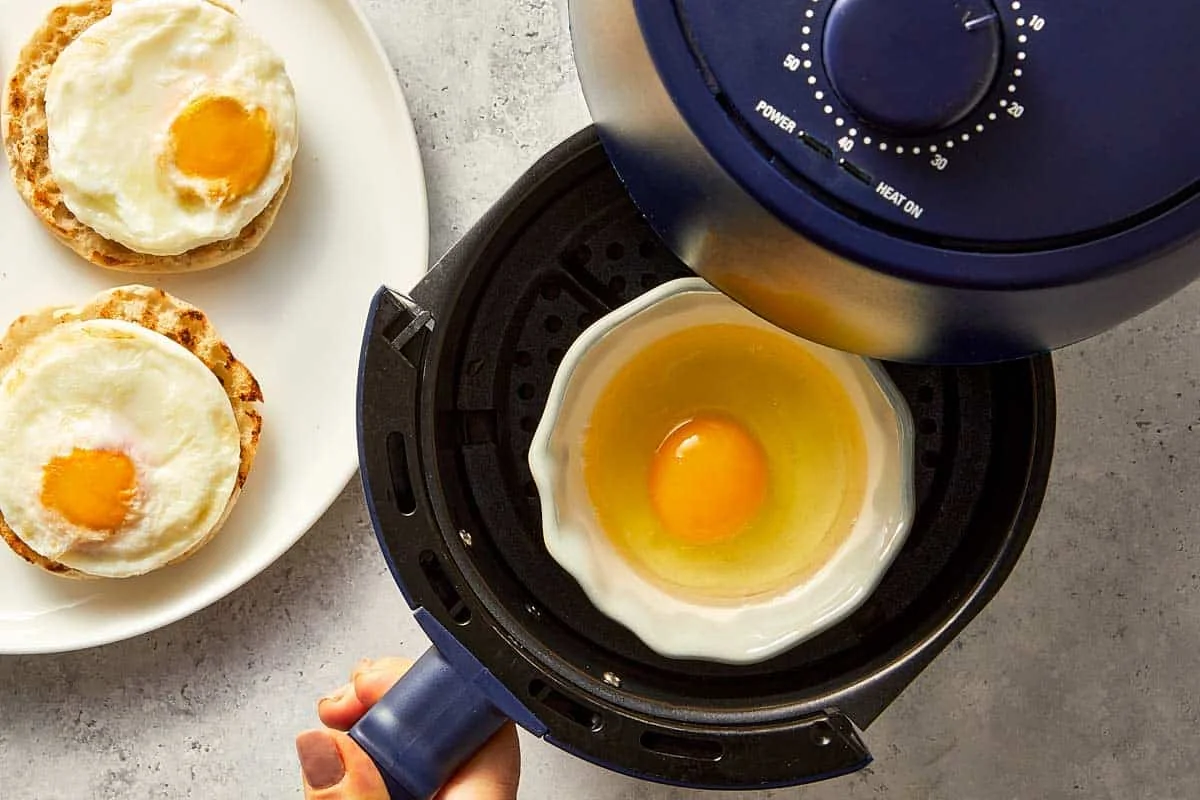
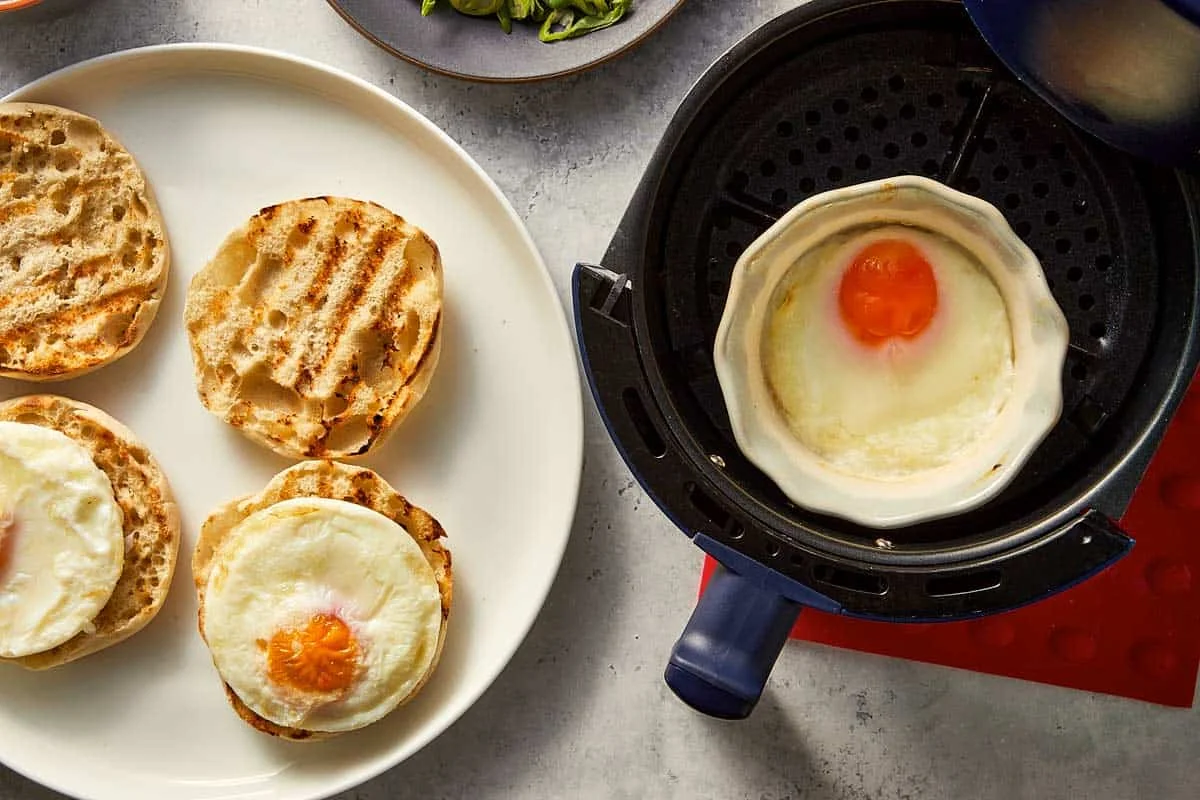
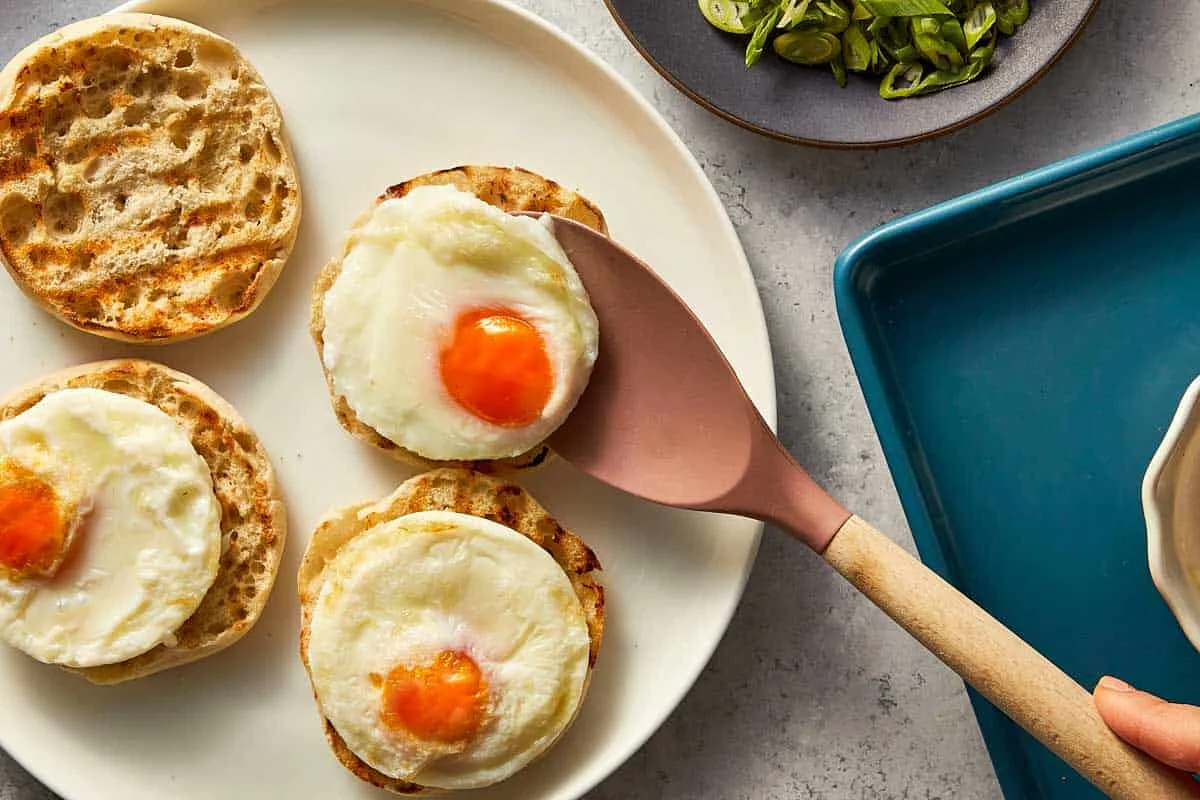
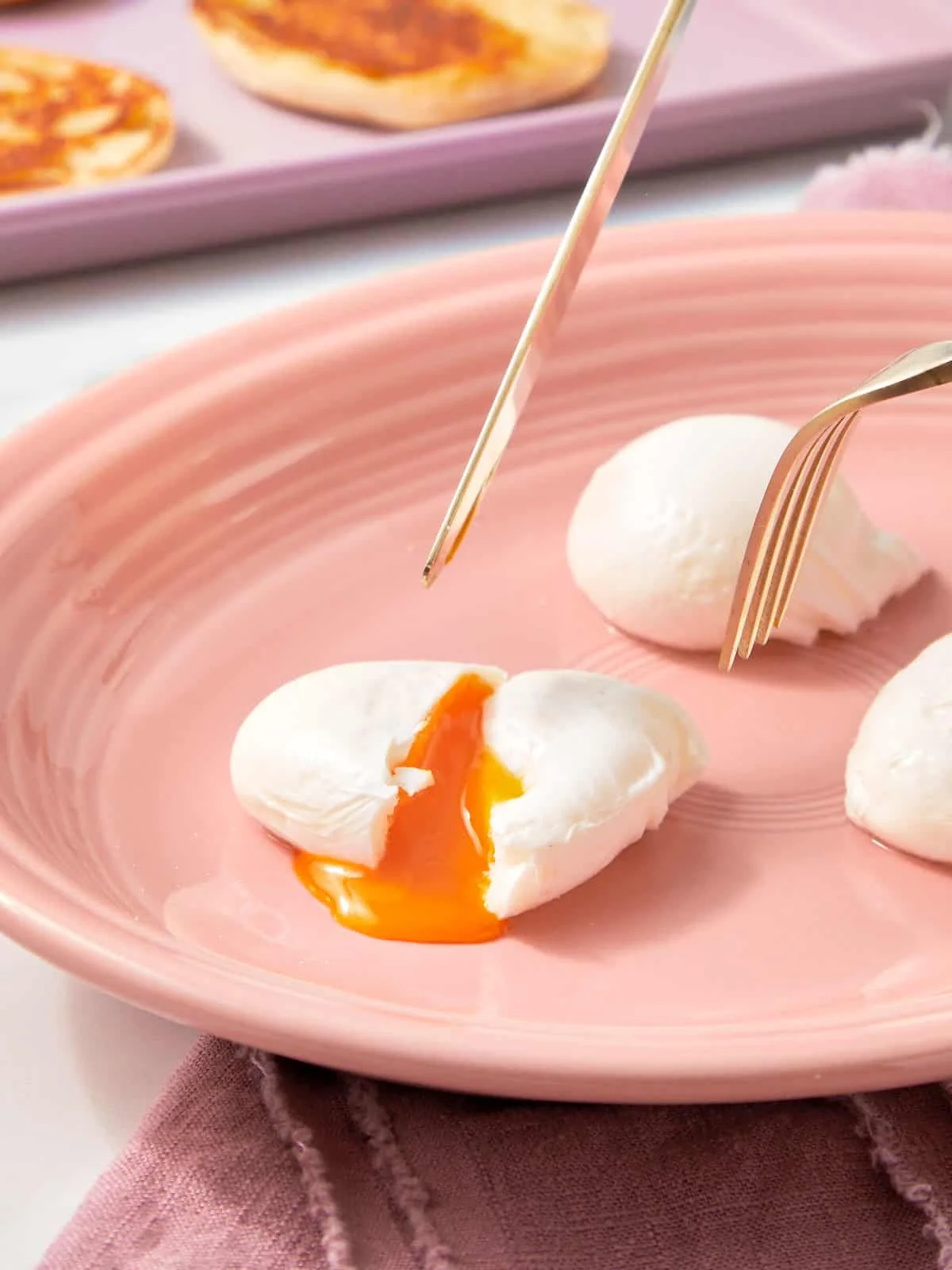
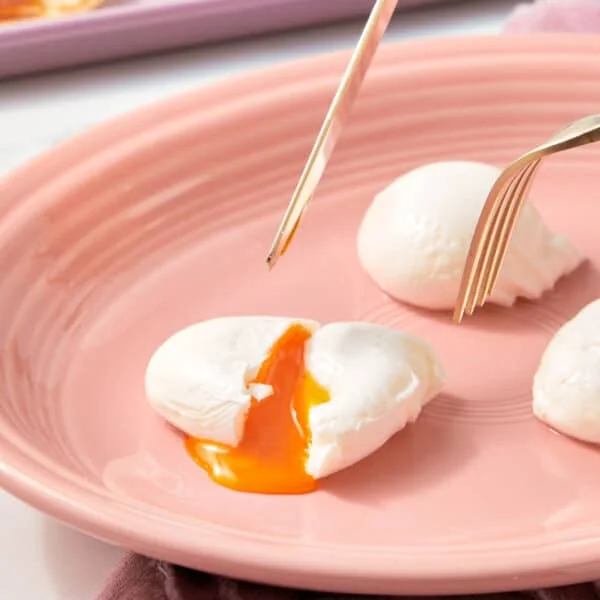
This timing locks in set whites with a luscious, runny yolk.Hankering for a firmer yolk? Just tack on 30–60 extra seconds.
Nearly every poached-egg failure traces back to a handful of tiny slip-ups. Rectify these and the whole process instantly gets way easier.
This is the biggest offender, bar none. Furiously boiling water makes those whites shred and overcook. Poached eggs crave a gentle simmer, never a roaring boil.
Older eggs sport thinner whites that fan out in the water. Fresh eggs cling together far better and hand you a much tidier final egg.
A splash of vinegar helps those whites firm up faster. Skip it and the whites tend to separate and drift all over the pot.
Stirring or poking the egg mid-cook shatters its structure. Once it’s in the water, leave it alone.
Poached eggs finish fast. Abandoning them in the water too long spells firm yolks and rubbery whites. Timing is everything.
Leftover water can water down sauces or turn toast soggy. Always let the egg drain briefly before it hits the plate.
Once you’ve mastered Perfect Poached Eggs, you can unleash them in every glorious way they were meant to be used.
The obvious kickoff is myEggs Benedict (My Secrets to Perfection!)That runny yolk is exactly why this dish never goes out of style, especially when served alongsideBelgian Wafflesto mop up all that goodness.
But poached eggs refuse to be caged to breakfast.
I adore crowningGarlic Prawns and Avocado Crostini with one, or using it to finish aSkinny Chicken and Avocado Caesar Salad, where the yolk basically morphs into the dressing.
The moment you start poaching eggs this way, you’ll find yourself sneaking them into literally everything.
This almost always boils down to the egg not being fresh enough. Hunt down the freshest eggs you possibly can! Your splash of vinegar is the second shield, since it firms up the whites more quickly.
For a flawless runny yolk,3 minutesis themagic number. The white should feel set and firm, but the yolk inside should still yield softly when you give it a gentle poke.
Absolutely, but don’t overcrowd the pan. I’d suggest poaching no more than two or three at a time so every egg gets enough room to cook gorgeously without gluing together.




Subscribe to Cafe Delites FOR FREE and receive recipes straight into your inbox!
Nutrition information is automatically calculated, so should only be used as an approximation.