This post may contain affiliate links. Please read ourdisclosure policy.
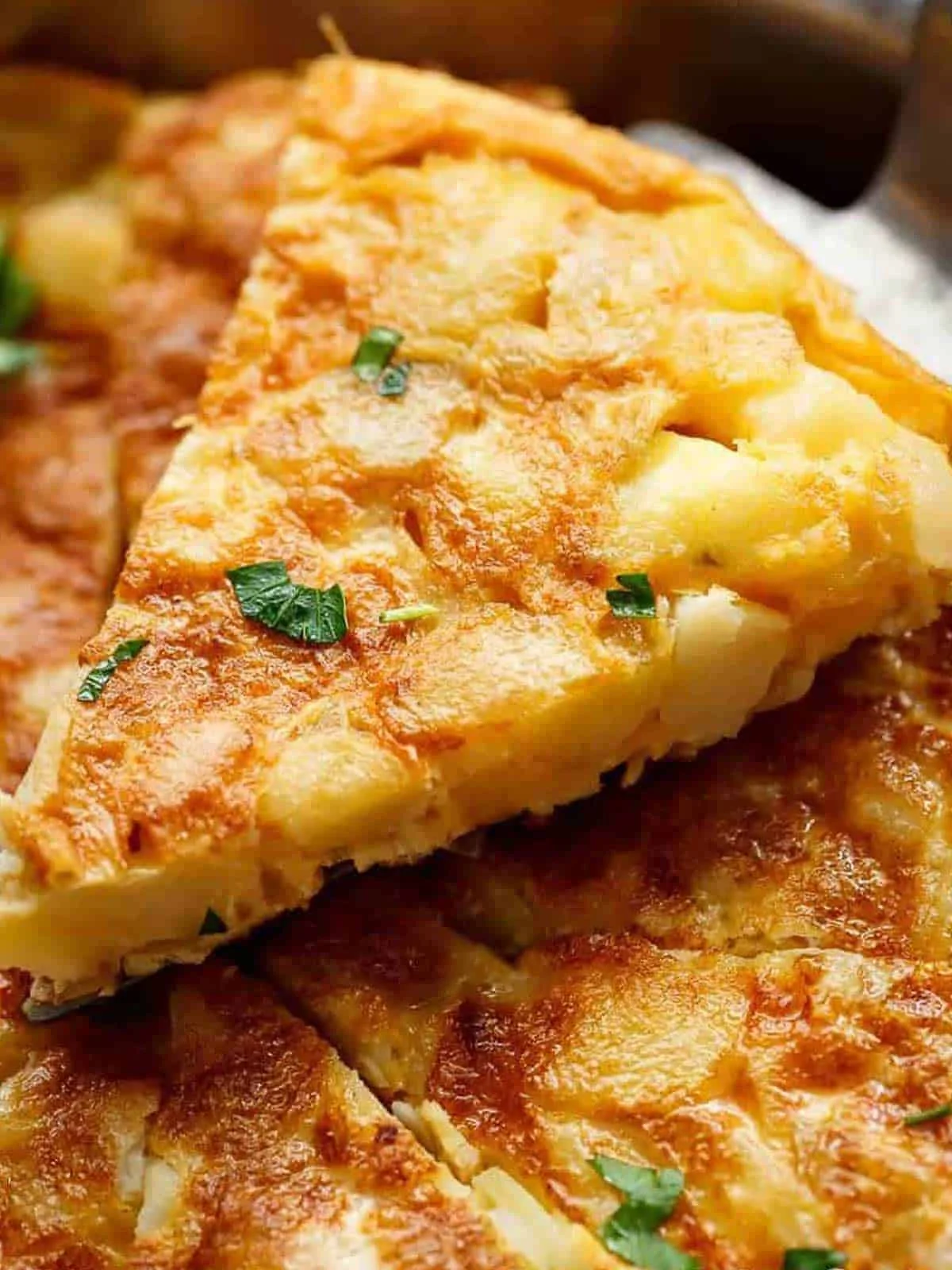
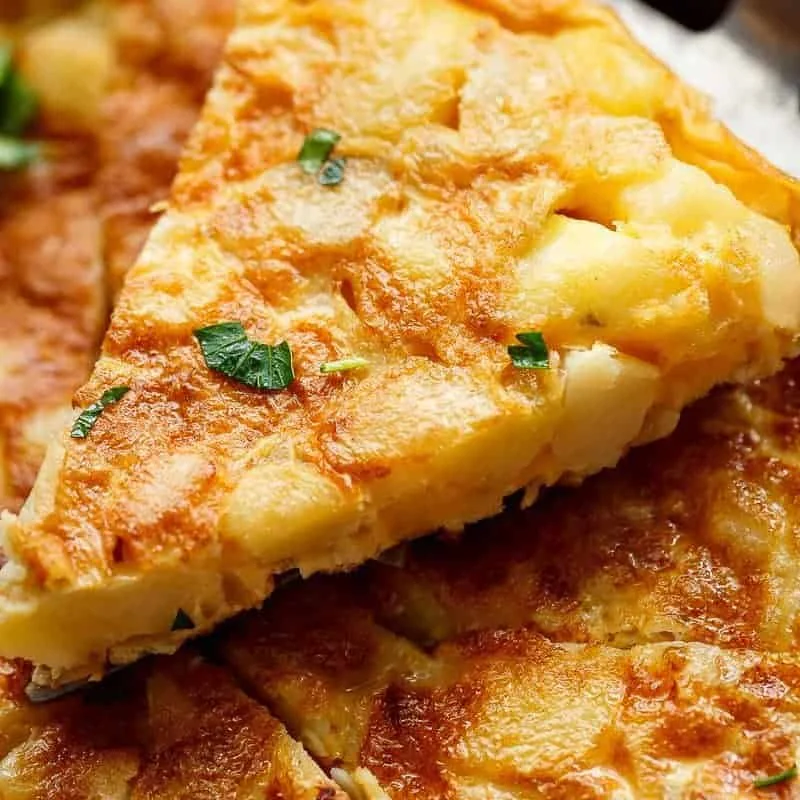
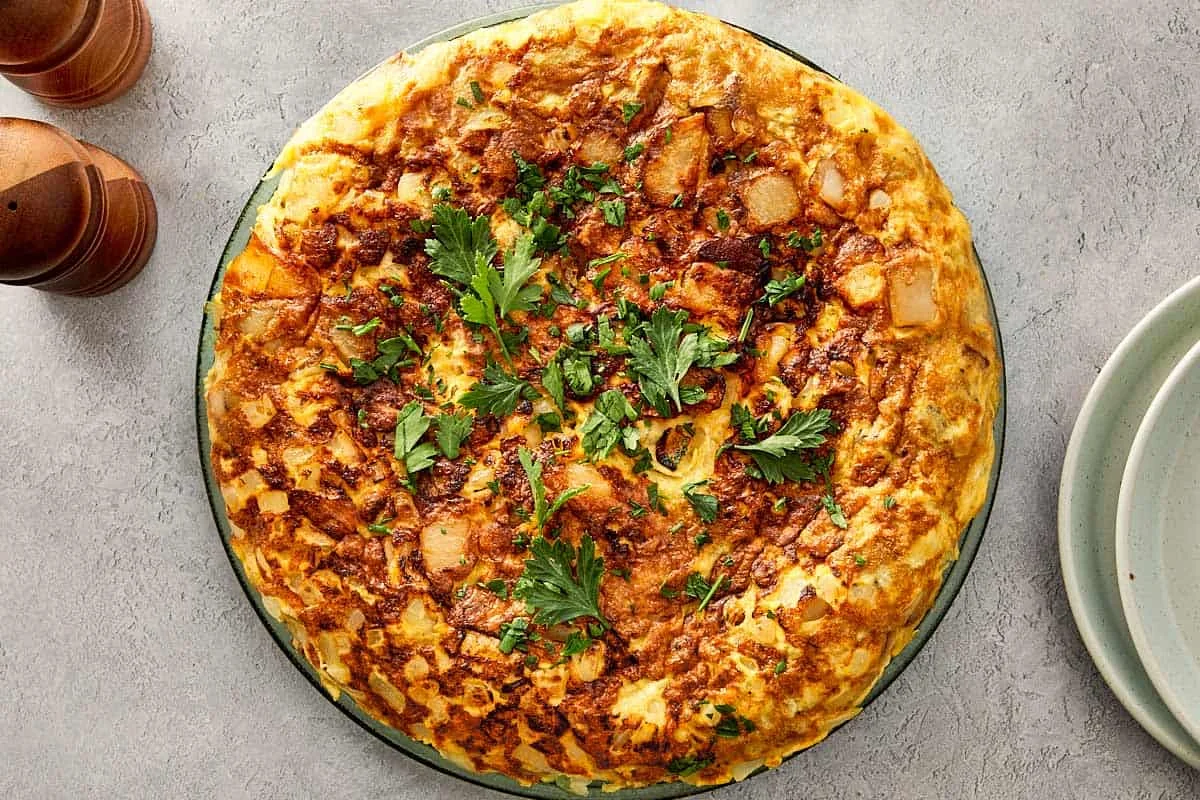
An authentic Spanish Omelette whipped up at home from just FIVE ingredients! This ridiculously easy spanish omelette only needs a couple of minutes of prep yet delivers jaw-dropping authentic flavor that could go toe-to-toe with any tapas bar.
I build this timeless dish from potatoes, eggs, and onions, simmering them slowly in extra virgin olive oil until they soften and set into a thick, sliceable masterpiece. I live for how basic-yet-satisfying it is. It's naturally gluten-free and a total dream for picnics, BBQs, or a tapas-style spread. I usually slide it next to a freshtomato salador alight avocado corn salad, turning it into a complete meal without overcomplicating a thing.
I've road-tested this recipe a bunch of different ways. I fine-tuned the potato size, the cooking time, and the exact dose of oil so you always land a soft center without the omelette falling to pieces.
This version keeps things fuss-free and dependable so you nail the texture every single time without overthinking. The ingredients are dead simple, yet slowly cooking the potatoes and onions in olive oil builds insane flavor before the eggs ever hit the pan. This fast method works like magic. Eat it hot right from the pan, or grab it cold the next morning for breakfast.
This tortilla has basically been with me my whole life. It rescued me from endless plain scrambled eggs, and it's carried me through family BBQs, picnics, and even heartbreaks. On days when I have a little more time, I throw together acheesy bacon and egg hash, and I'm also obsessed with a breakfast spread featuring garlic butter mushrooms.
A Tortilla Española is one of the most legendary dishes in Spanish cooking, also known as a Spanish Omelette or tortilla de patatas. You might normally throw together a thin egg wrap for a quick breakfast, but a real Spanish omelette is an entirely different beast. It's a thick, substantial, crustless dish that honestly resembles a savory cake. It's famous for that soft center and is a must-order staple in tapas bars across Spain.
What separates it from a classic omelette is its dense build. It's designed to cook gently so it becomes seriously sliceable and filling. You'll almost always see it cut into thick wedges or small bite-sized cubes, traditionally enjoyed warm or at room temperature.
Because it's so flexible, it regularly shows up as part of a savory tapas spread. I also adore it as the main event for a big weekend brunch. If I'm stacking up a mix of sweet and savory for a crowd, a wedge of this next to somesoft chocolate rollspairs shockingly well.
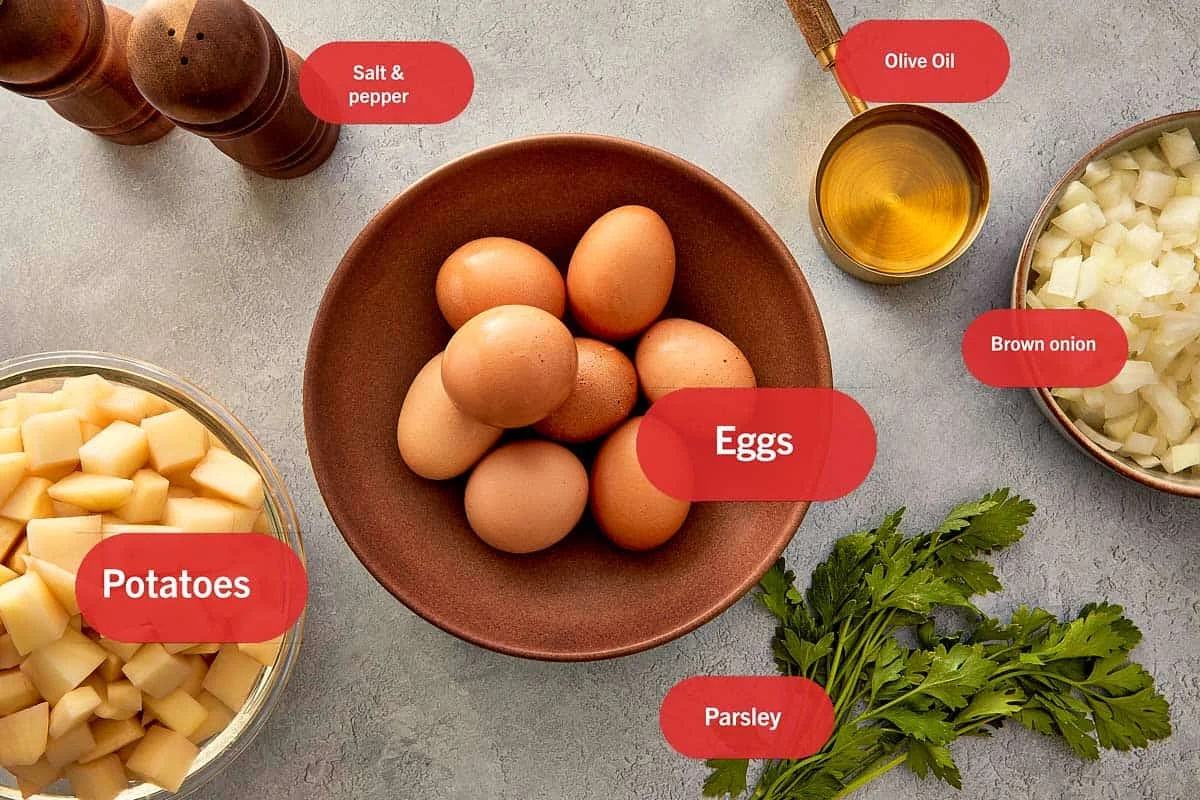
Note:Please seerecipe cardat the bottom for list of full ingredients and measurements
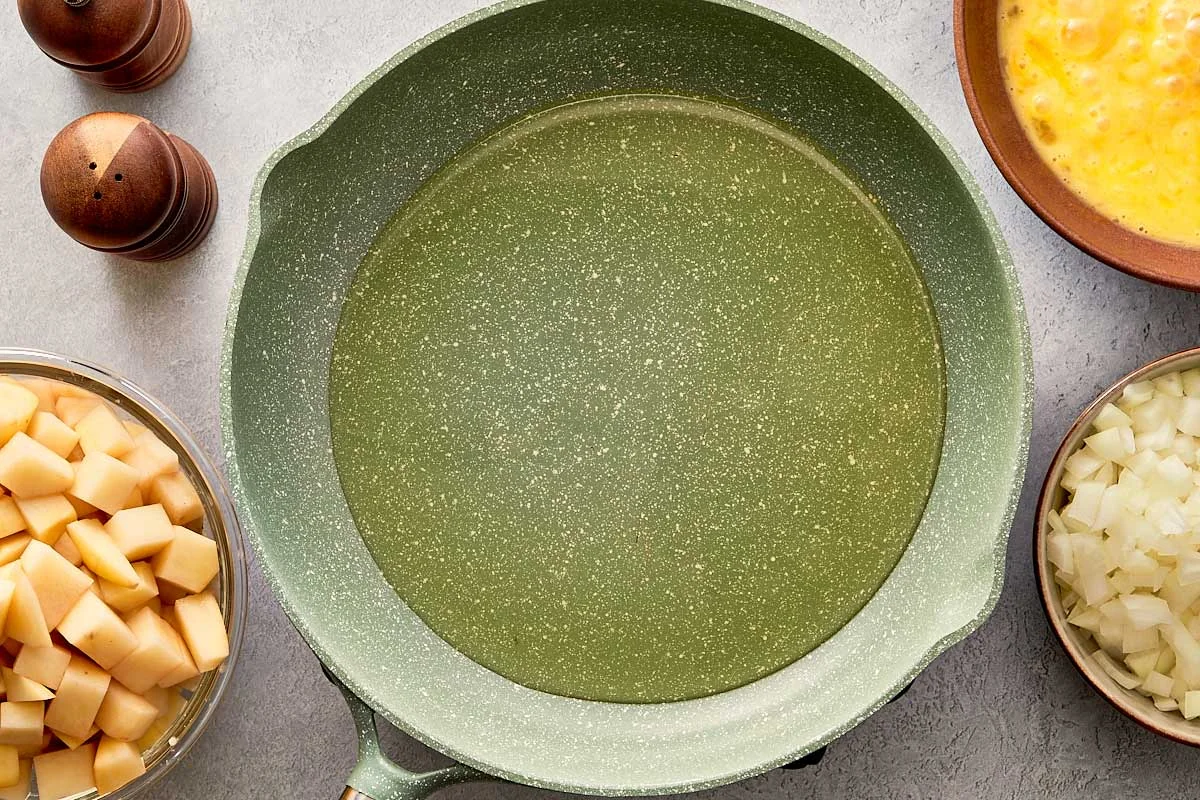
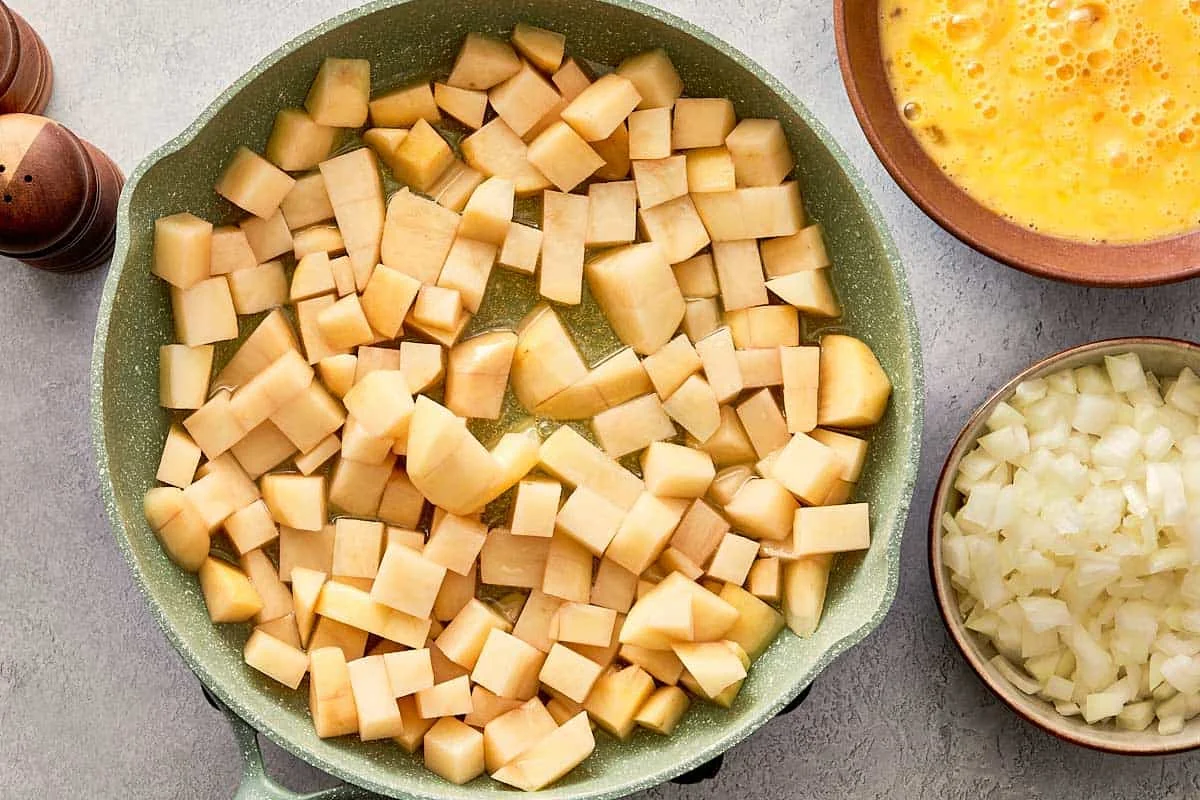
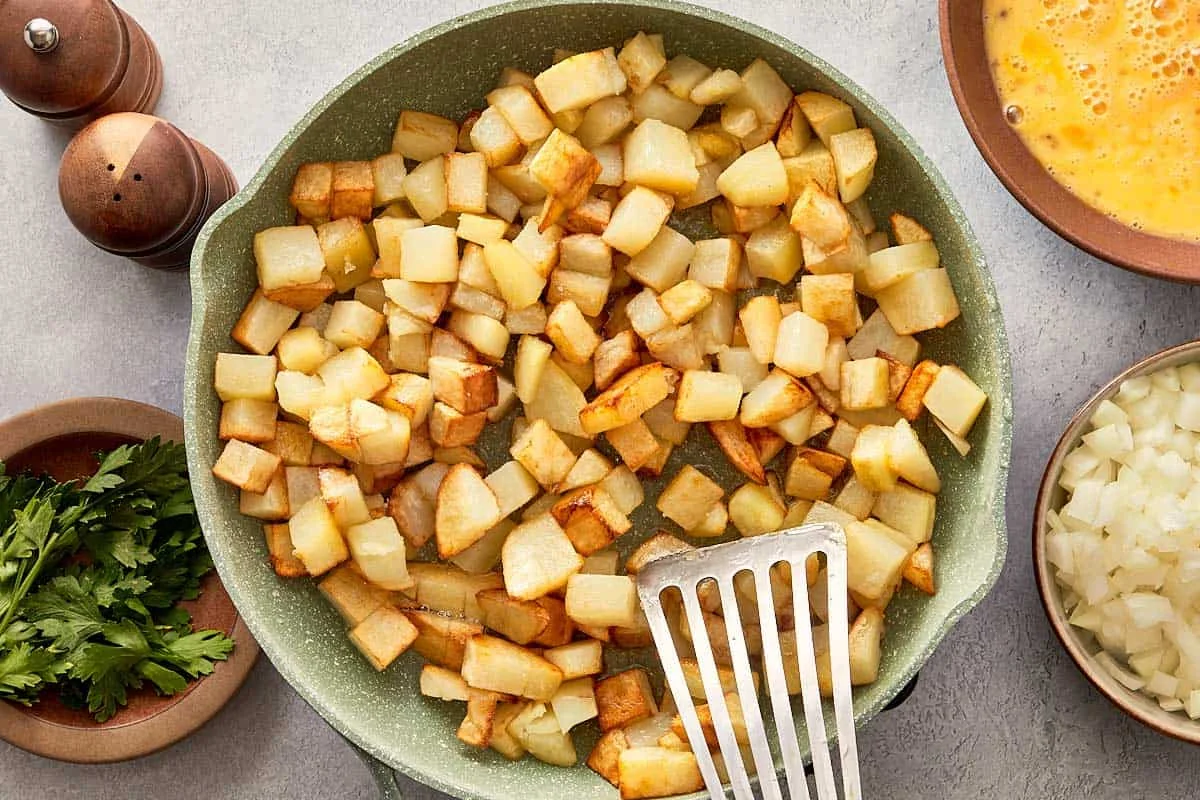
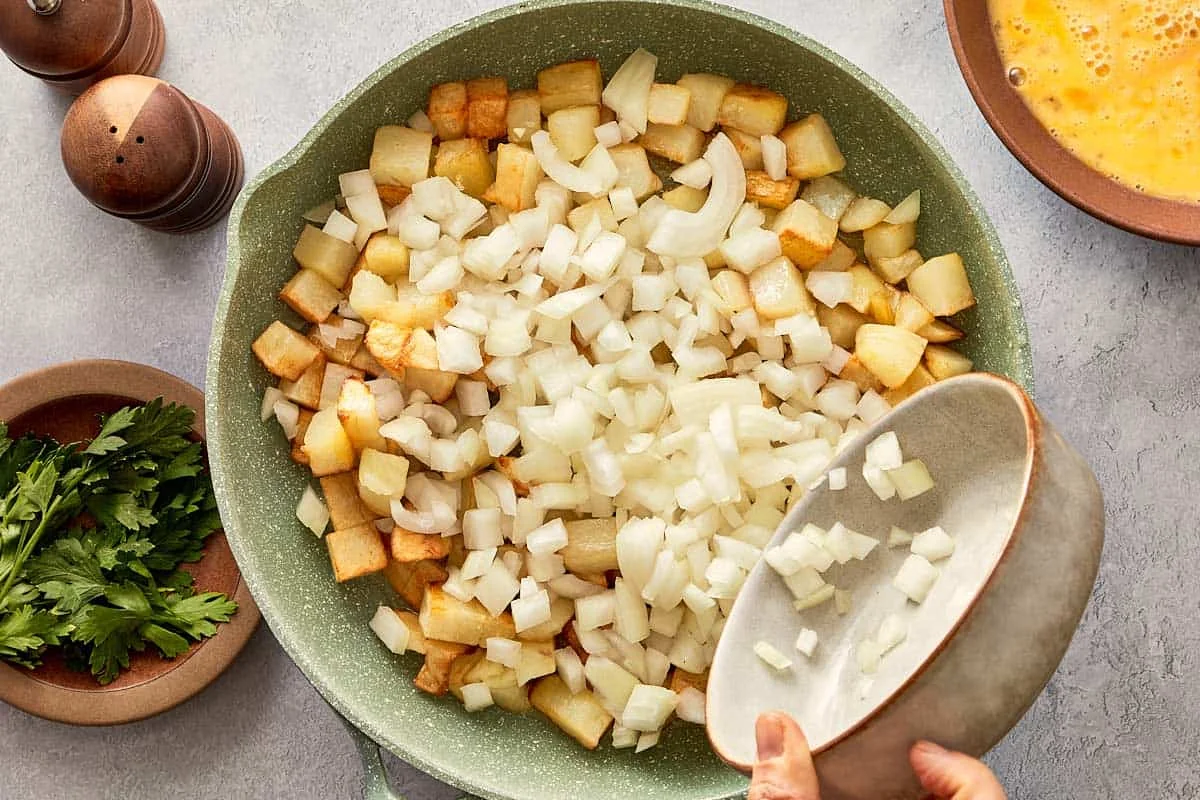
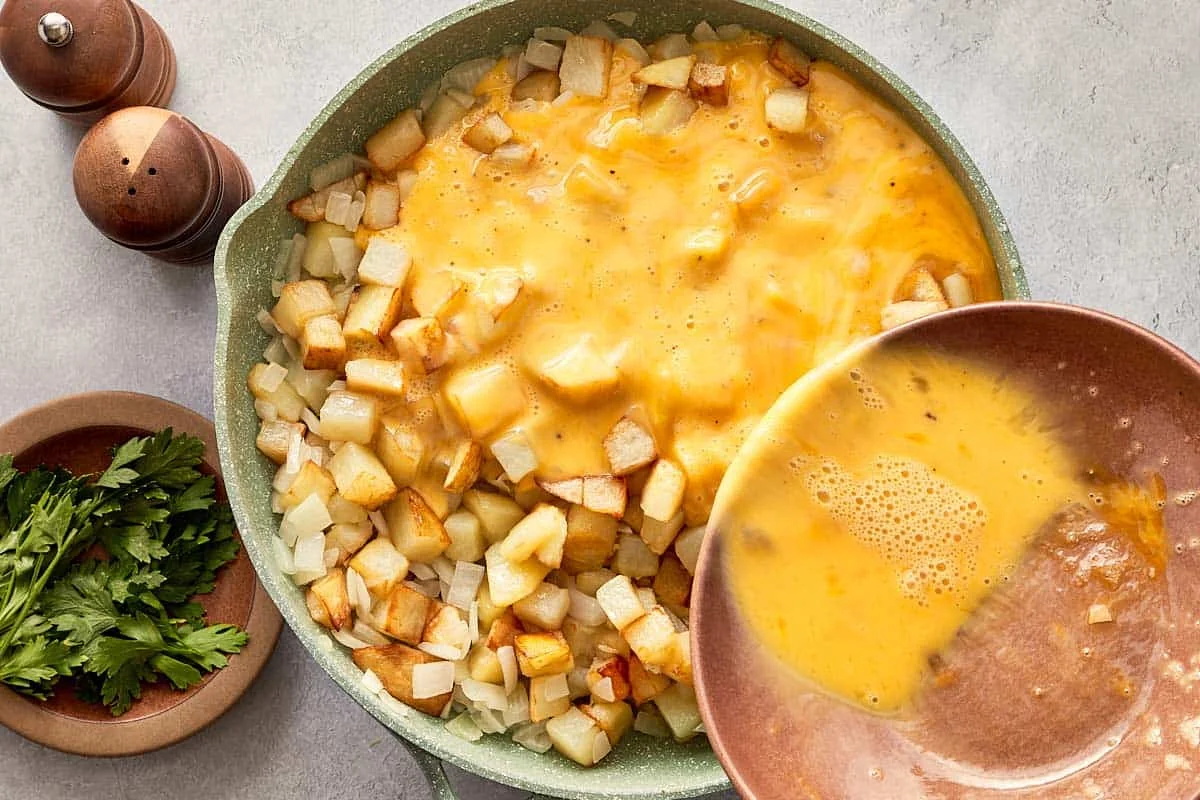
Nailing a great tortilla isn't about complicated tricks. After obsessively testing it since my very first trip to Spain, I've learned it mostly comes down to heat control. Cook the potatoes gently in oil over moderate heat until they're soft enough to smash with a spatula. Crank the heat too high and they'll fry up crispy instead. Once the potatoes are halfway done, toss in the onions so they turn soft and sweet without ever scorching.
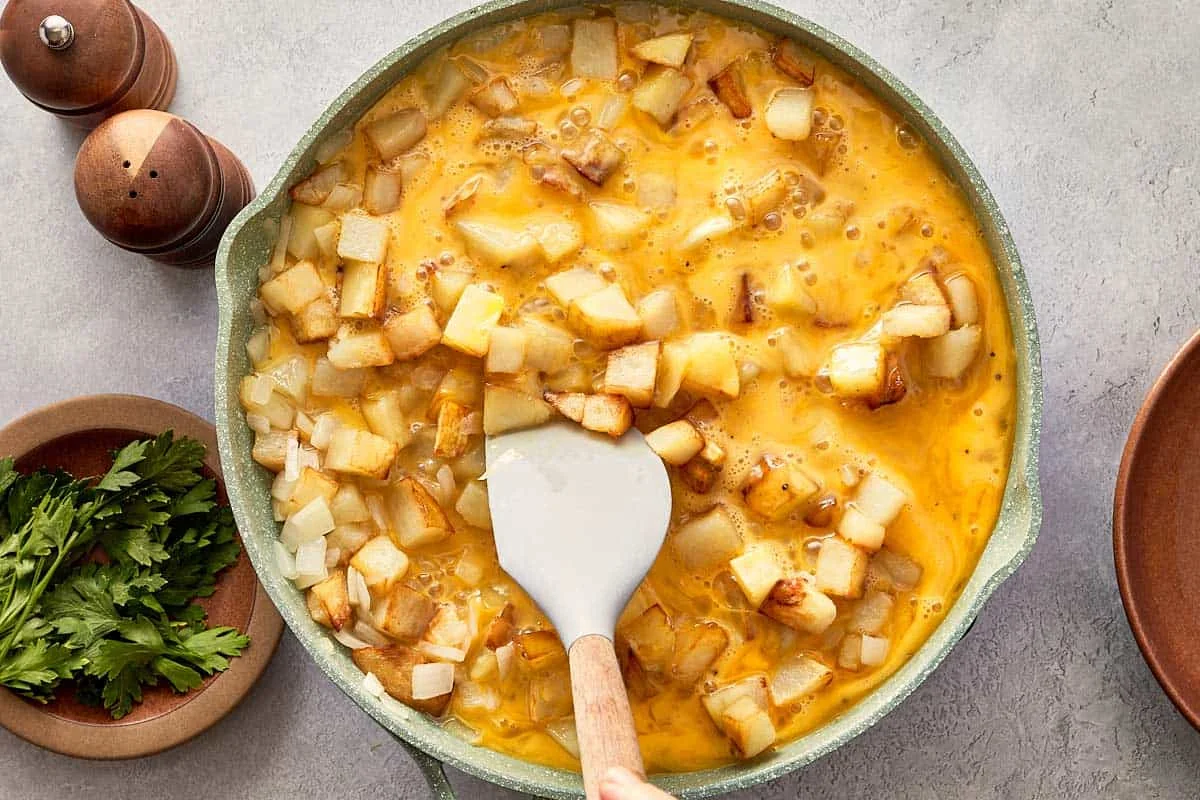
The actual secret to perfect texture happens right before you fold in the eggs. I always make sure to:
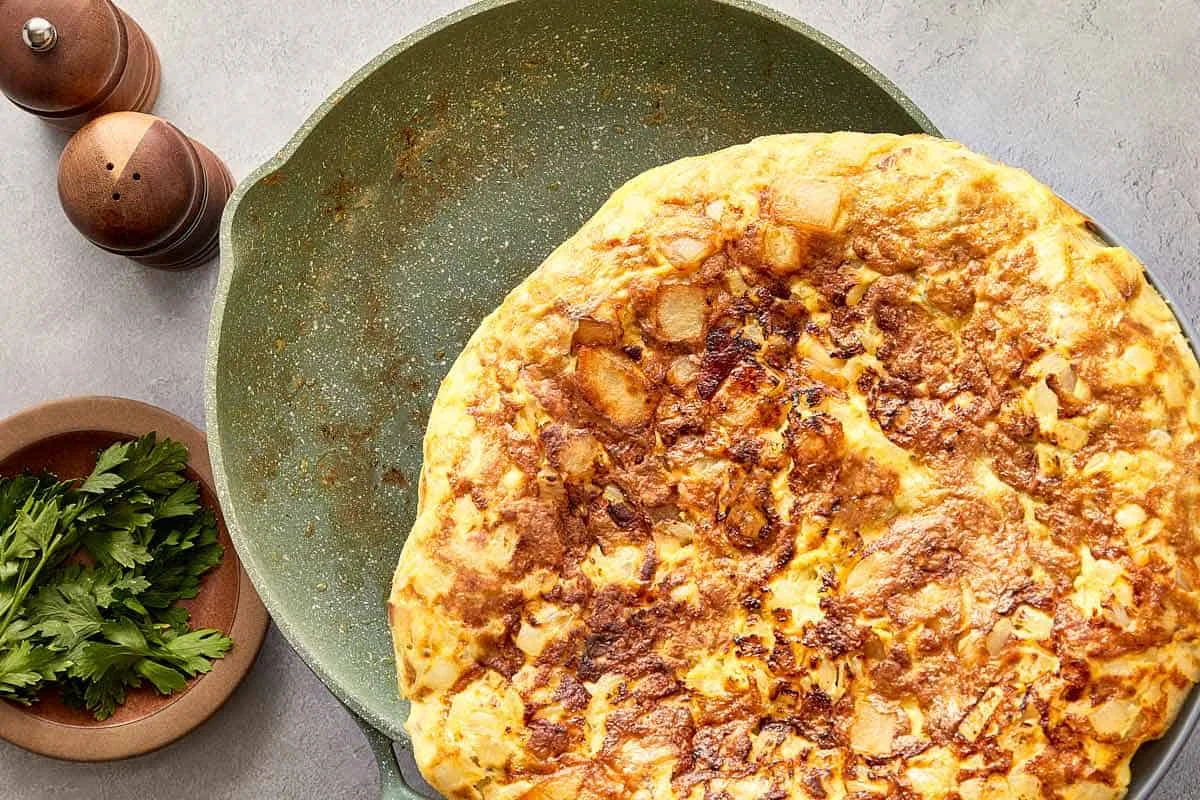
You'll know it's flip time when the edges firm up while the center still wobbles slightly. Set a big flat plate over the pan and flip in one swift motion while the middle is still a touch soft. Hesitate too long and the top overcooks and cracks.
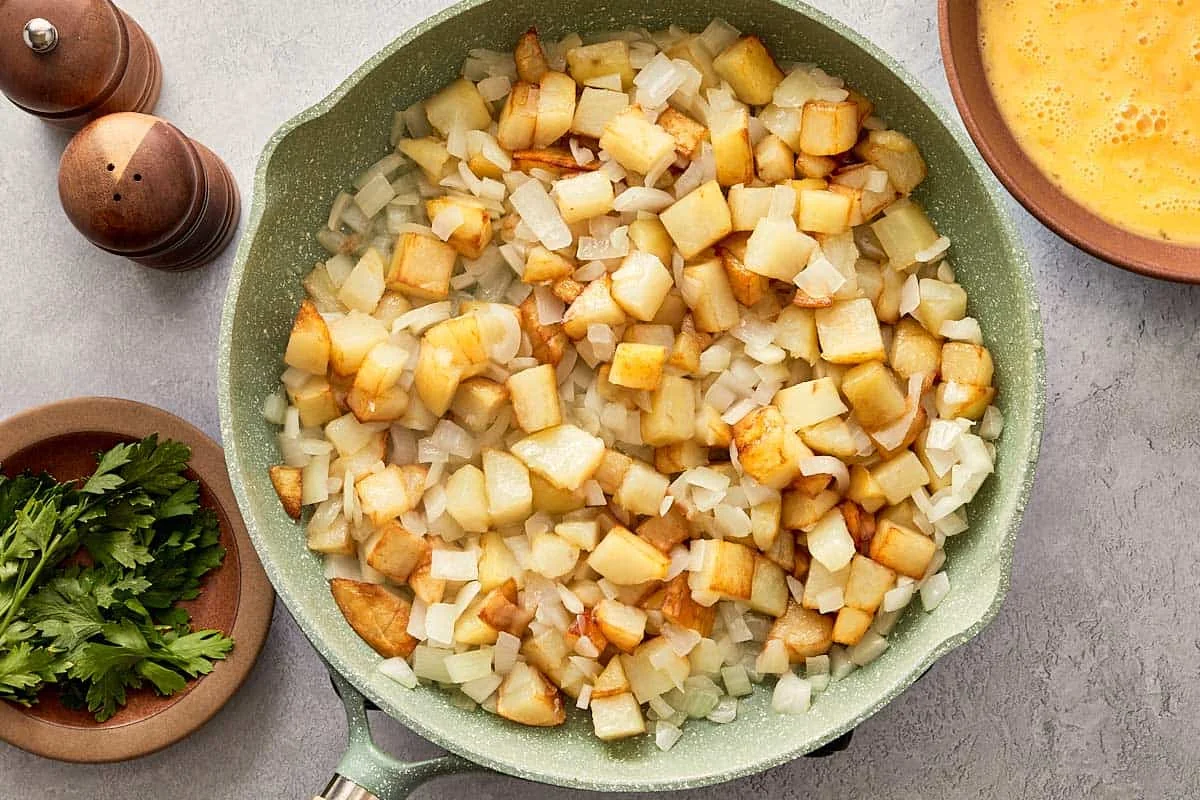
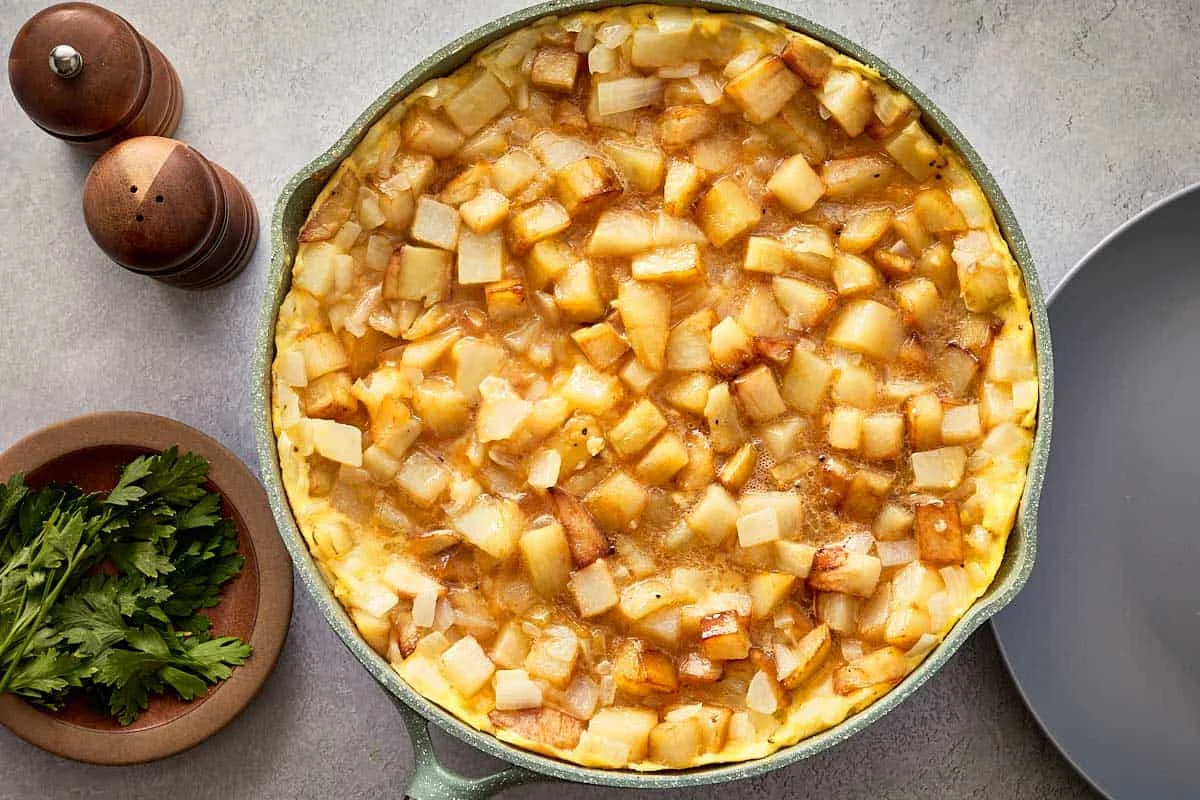
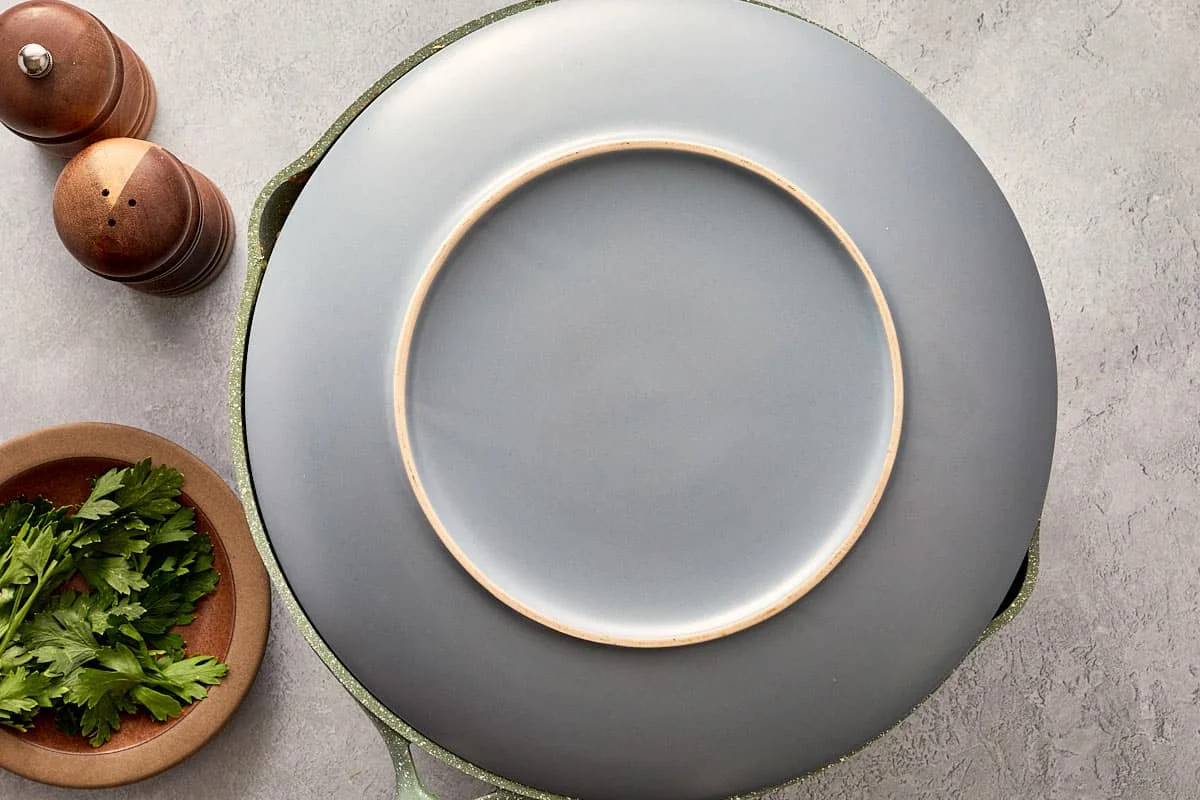
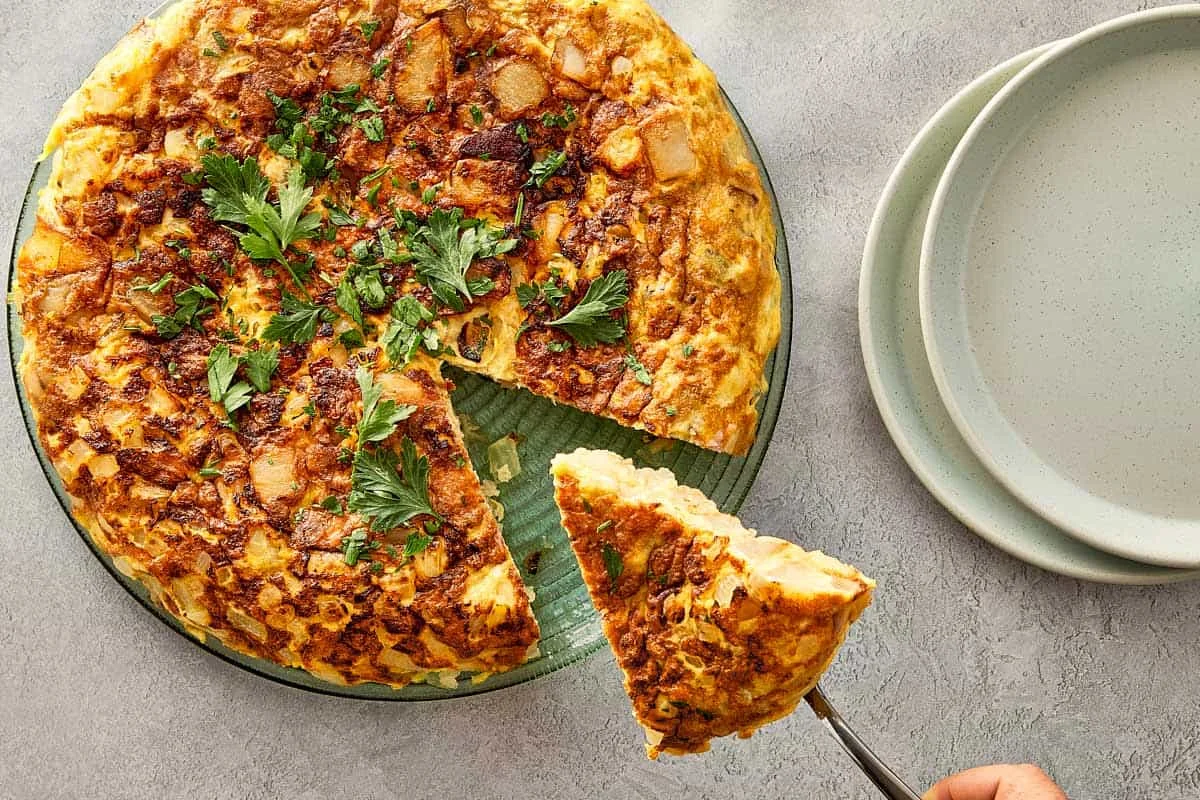
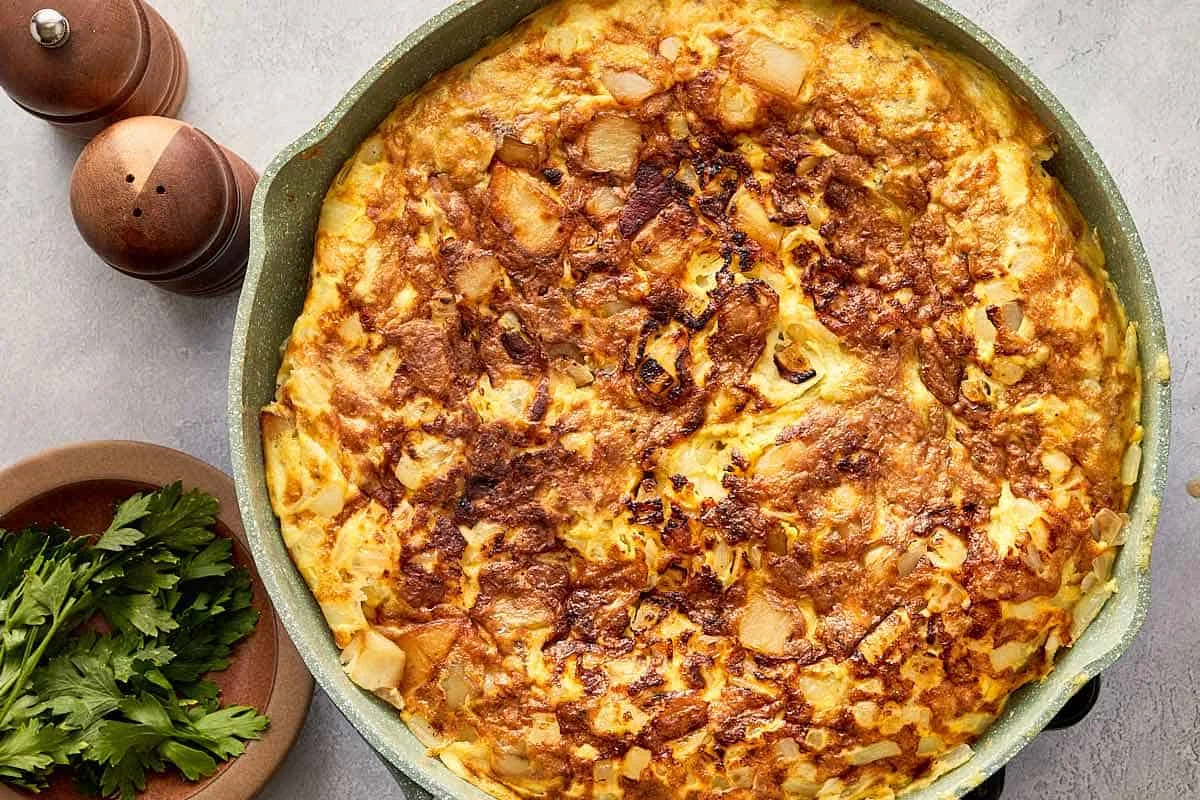
After you flip the omelette, you can keep the pan on the heat a touch longer if you'd rather have the eggs fully set. I usually pull it off the stove the instant the middle sets so the inside stays buttery-tender when you slice in. My mom always swore the absolute finest way to enjoy this is a simple squeeze of Kewpie mayo on top — and she is 100% right.
This omelette is endlessly flexible. I love serving it with a thick hunk ofwarm crusty bread, or even beside aspinach and ricotta grilled sandwichif I want a seriously filling plate. When I'm keeping it light, afresh avocado chicken salador somefresh avocados stuffed with tomatoes and mozzarellawork beautifully on the side.
When I'm arranging a bigger breakfast spread, I love mixing in a sweetbaked overnight french toastor a towering stack offresh blueberry pancakes. I'll also scatter a few bite-sizedcauliflower and egg muffinsand wrap things up with a frosty glass ofwhipped iced coffee.
When I make this at home, I always keep a few easy tricks close. The biggest secret is never rushing the potatoes. I let them melt gently in oil over low heat until completely tender instead of letting them fry or brown.
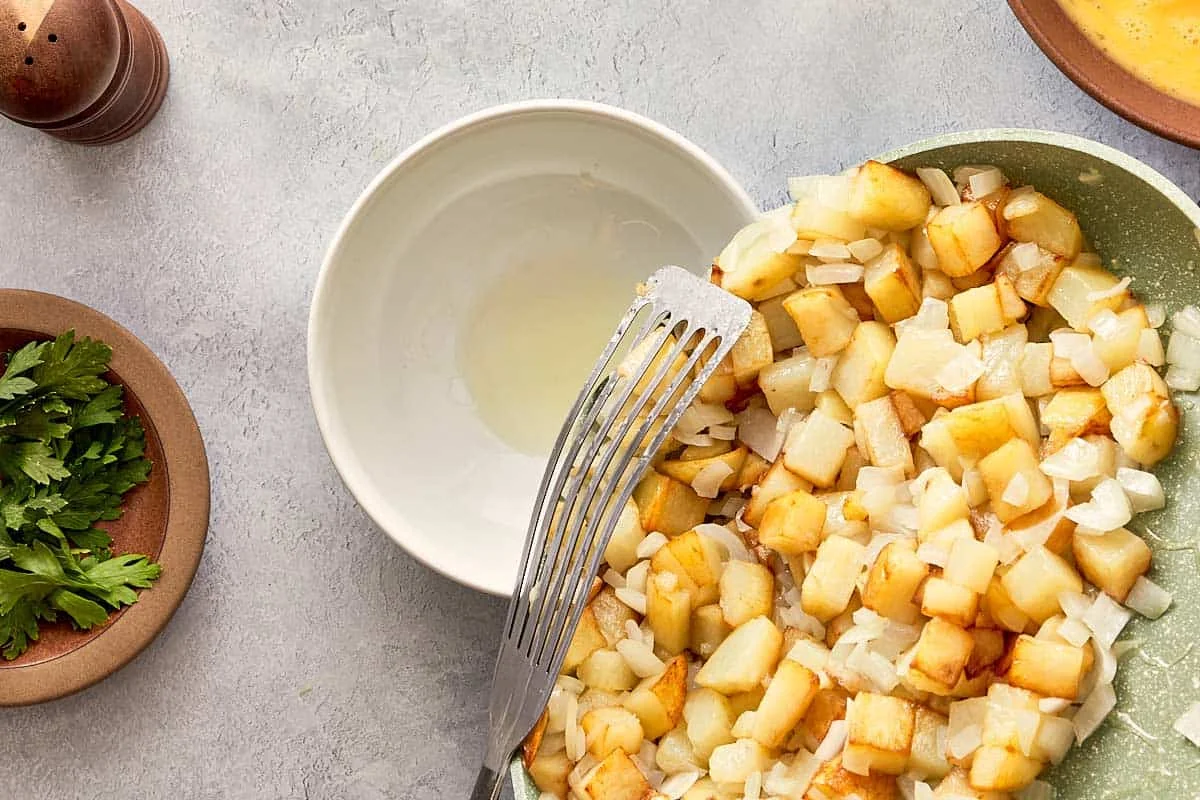
I also always drain the extra oil before adding the eggs. Too much oil weighs everything down and turns it greasy. Once I mix the warm potatoes and onions into the beaten eggs, I let them hang out together for a minute or two — that gives the potatoes time to soak up some egg, which helps the whole thing bind beautifully.
Your pan size matters, too. I typically reach for a 9-inch or 10-inch skillet to get a thick slice with a soft center. Use a pan that's too big and the omelette sprawls out, turns too thin, and overcooks in a flash.
If flipping terrifies you, my best tip is to use a flat plate slightly wider than your pan. Press it firmly over the top, then flip the pan in one quick, confident swoop. Do this while the center is still slightly soft so the top doesn't crack. After the turn, ease the omelette back into the skillet to finish. Prefer to skip flipping entirely? You can cook the base on the stove and finish the top under the broiler for a few minutes.
This usually comes down to structure. Either you didn't have enough eggs to hold it together, or the potatoes were cut too big and cooked unevenly. It can also happen if you flip when it's either too soft or already overcooked.
The edges should be fully set while the center still feels a little soft when pressed. It keeps cooking from residual heat once it's off the pan, so don't wait until it feels completely firm.
Yes, even if they share a name, a tortilla española is a thicker omelette built from potatoes and eggs. A Mexican tortilla is way thinner and made from corn or wheat flour — the classic base for tacos.
It skips things like flour, milk, or fillings such as meats and extra vegetables. Sure, you can pile on add-ins if you want, but the classic version stays clean and focused on the potatoes and eggs.

Subscribe to Cafe Delites FOR FREE and receive recipes straight into your inbox!
Nutrition information is automatically calculated, so should only be used as an approximation.